Peeling, Flaking, and Cracking: What Causes Paint Failure and How to Prevent It
By Robert Kohler | August 3, 2026
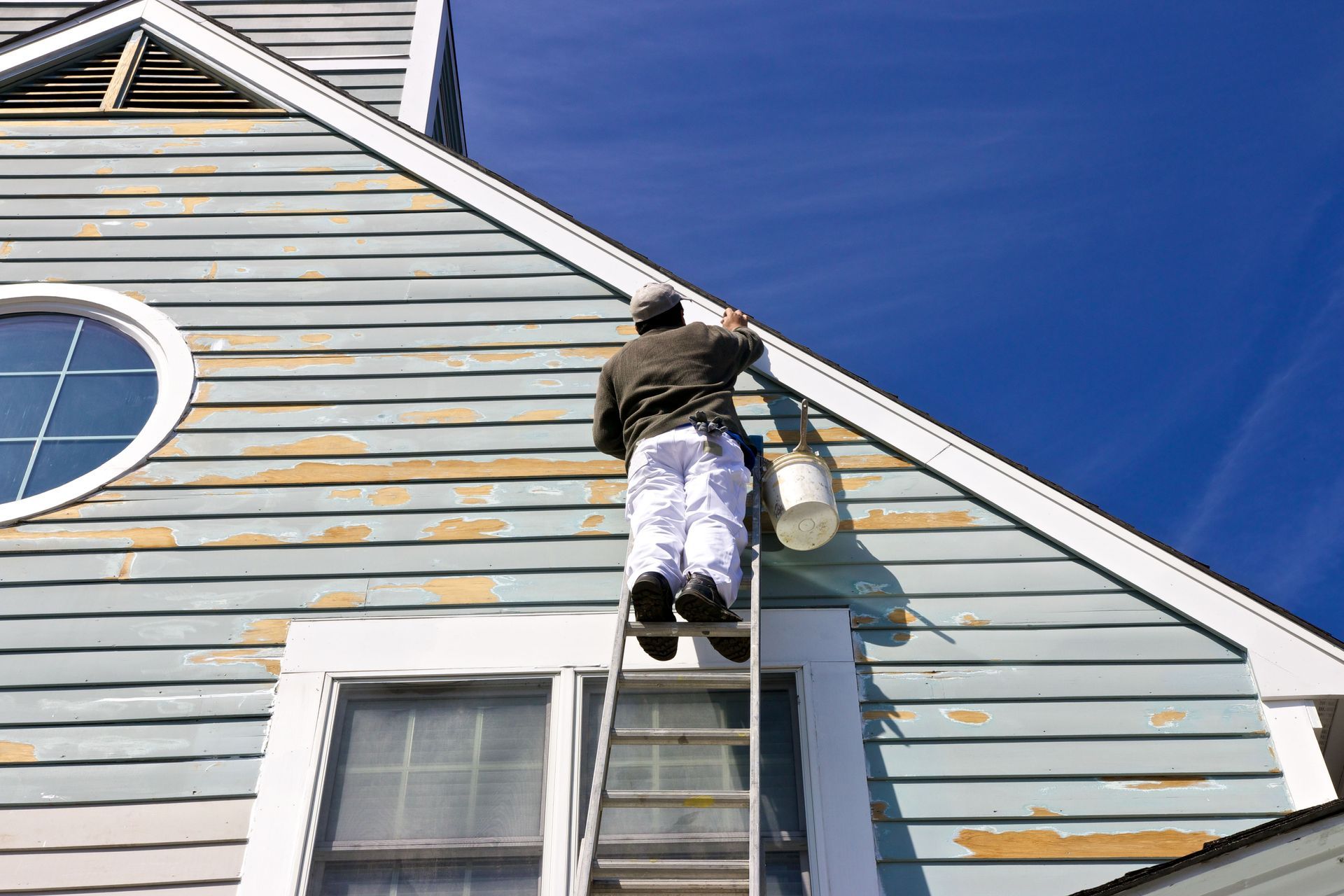
Peeling, flaking, and cracking represent three of the most common structural failures that plague interior wall coatings. Homeowners often find themselves frustrated when a fresh coat of color begins to bubble, lift, or split, transforming a pristine space into an unsightly restoration project. The science behind paint adhesion is delicate, relying on mechanical bonds and chemical interactions between the substrate, primer, and topcoat. When these bonds are compromised by moisture, improper application, or substandard materials, the integrity of the whole system degrades quickly. Understanding the root causes of these failures is the primary step toward maintaining flawless interior surfaces over time. Recognizing how environmental shifts and physical stresses interact with various wall materials helps property owners make informed maintenance choices.
Addressing these issues requires a strategic approach focused on precision, surface compatibility, and climate control inside the home. Every wall presents a unique combination of texture, porosity, and exposure to daily wear, meaning that generic solutions rarely yield long-lasting results. Selecting a dedicated interior painting service ensures that every unique surface dynamic is thoroughly evaluated before a single brush stroke touches the wall. Professional technicians possess the expertise required to identify early signs of failure, such as micro-cracking or localized delamination, long before major damage manifests.
Evaluating Substrate Conditions and Preparation Methods
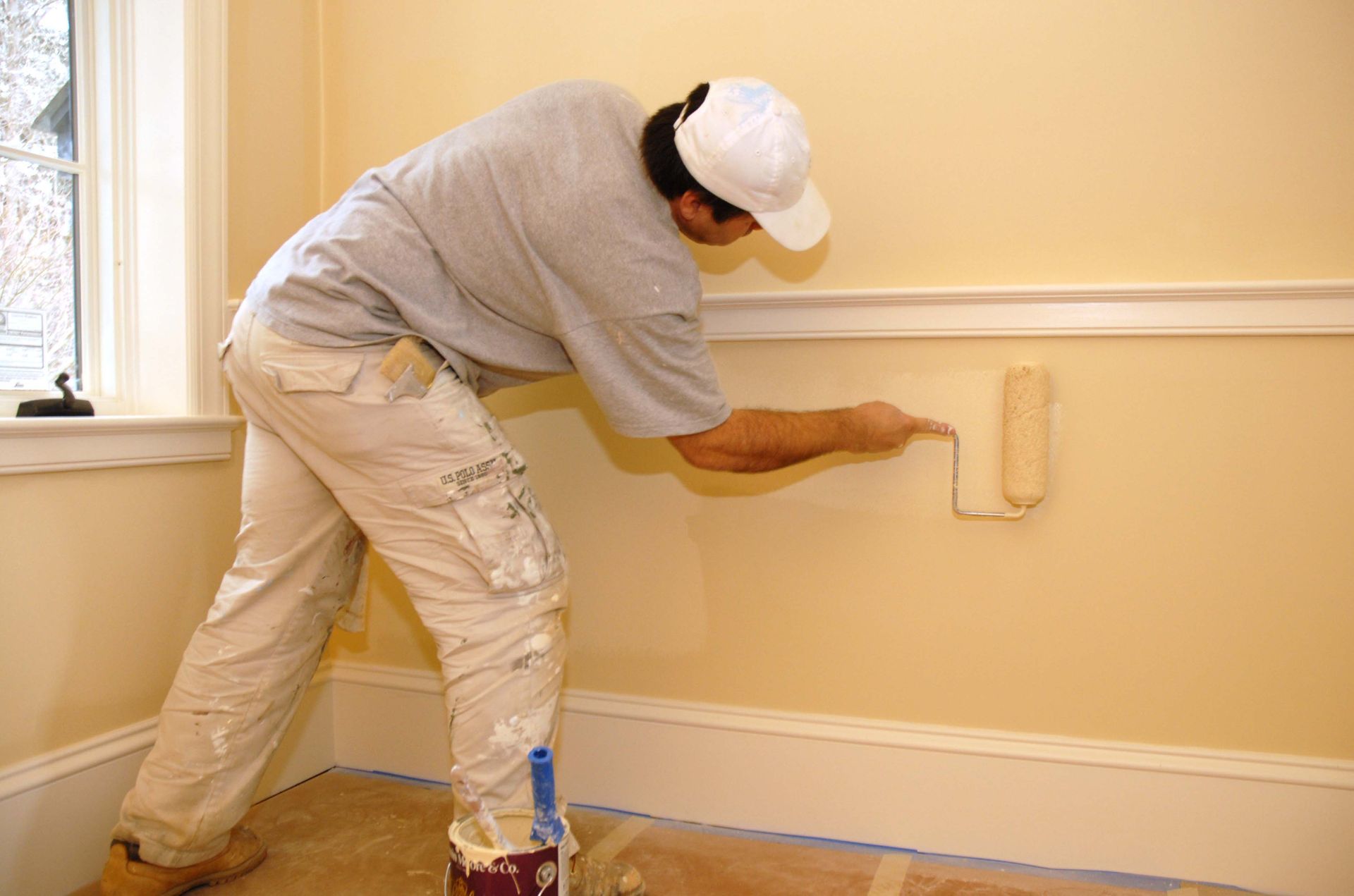
Proper surface preparation is the undisputed backbone of any successful wall transformation, as paint cannot bond to an unstable or contaminated foundation. When dust, oil, or loose debris remain on a wall, the new finish clings to those loose particles rather than the actual drywall or plaster underneath. Over time, the weight of the drying film pulls the coating away from the surface, leading to widespread peeling. Skipping fundamental preparation steps like cleaning, light sanding, or filling micro-fissures compromises the entire project from day one. Investing in a professional interior painting service guarantees that every wall undergoes rigorous cleaning, repair, and base stabilization to ensure maximum mechanical adhesion.
Substrates also react continuously to structural movement and ambient humidity, which can create hidden stress points across large wall sections. Unsealed porous materials rapidly absorb the liquid binders from fresh paint, leaving behind a brittle top layer prone to premature cracking. According to Workyard, over 750 million gallons of paint are left unused annually in the United States. Much of this waste stems from repeated, unsuccessful reapplication efforts over poorly prepared surfaces that continuously reject new coatings. Ensuring that the underlying substrate is fully prepped, properly cured, and structurally sound eliminates the vicious cycle of applying fresh coats over unstable foundations.
Managing Moisture and Indoor Climate Dynamics
Moisture is perhaps the most destructive force when it comes to maintaining intact interior coatings. High humidity levels, steam from bathrooms, or unaddressed plumbing leaks force water vapor deep into wall structures. As this vapor attempts to escape into the room, it exerts outward pressure against the paint film, causing large bubbles that eventually tear and peel away. Bathrooms, kitchens, and basements are especially vulnerable to this hydro-static pressure, which systematically breaks down even the strongest chemical binders over time. Controlling indoor air quality and moisture levels is essential for preventing water-driven paint detachment.
Beyond liquid water, rapid shifts in ambient room temperature create continuous expansion and contraction within building materials. Wooden trims, drywall sheets, and plaster expand at different rates than the paint film covering them, creating severe tension along the boundary layer. Over time, this recurring mechanical stress manifests as fine spiderweb cracks or deep fissures resembling alligator skin. Hiring a qualified interior painting service helps homeowners select moisture-resistant formulas and flexible coatings specifically engineered to withstand localized thermal shifts. Regulating indoor air flow alongside specialized moisture barriers creates a stable ecosystem where decorative finishes remain intact and vibrant.
Regulating Coat Thickness and Layer Application
Applying paint too thickly is a frequent error that directly leads to severe flaking and surface cracking. When an excessively heavy layer of paint is spread across a surface, the outer skin dries rapidly upon exposure to air while the underlying material remains soft and damp. As the inner liquid slowly evaporates over subsequent days, the contracting top skin splits open, forming unsightly surface fissures. Multiple thick layers also create a heavy, inflexible build-up that easily chips away upon minor physical contact. Maintaining strict control over wet-film thickness is critical for developing a smooth, flexible, and resilient finish.
Achieving uniform thickness requires the right balance in the technique, correct tool selection, and steady execution. Successive thin layers consistently outperform single heavy applications because each thin layer cures evenly from the inside out, establishing a tight, cohesive bond with the layer below. Leaving adequate drying time between coats ensures that solvents fully evaporate, preventing trapped moisture from weakening the overall structure. Utilizing an experienced interior painting service ensures that application rates align precisely with manufacturer specifications, yielding a balanced finish that resists impact and aging. Proper application habits preserve the structural flexibility of the film, allowing it to move naturally without fracturing.
Selecting Compatible Products and Chemical Systems
Paint formulations are intricate chemical mixtures composed of pigments, resins, solvents, and additives, all calibrated to work together seamlessly. Mixing incompatible chemical systems, such as applying a hard oil-based topcoat directly over a flexible latex base without proper priming, inevitably results in bonding failure. The conflicting expansion rates and chemical compositions prevent the two layers from fusing, causing the top layer to flake off in small, distinct patches. Understanding the specific chemical properties of existing wall finishes is necessary before introducing any new coating material.
Product quality also plays an immense role in determining how well a finish withstands daily wear and environmental stress. Lower-grade paints often contain higher percentages of water and fillers with fewer binding resins, resulting in a weak, powdery film after drying. Premium formulations feature higher concentrations of quality acrylic resins that form tough, flexible matrices capable of resisting cracking and fading. Partnering with a reliable interior painting service guarantees access to commercial-grade, chemically compatible systems tailored to specific room requirements. Selecting higher-quality products minimizes maintenance frequency while maintaining superior color retention and structural integrity across every room.
Mitigating Long Term Wear through Systematic Upkeep
Even properly applied finishes experience gradual wear over years of exposure to sunlight, physical contact, and routine cleaning. Ultraviolet light gradually breaks down the chemical bonds within the paint binder, causing the surface to become brittle, chalky, and prone to localized flaking. High-traffic areas like hallways, doorways, and stairwells endure frequent scuffs and minor impacts that slowly weaken the outer protective seal. Conducting periodic inspections allows property owners to identify localized hairline fractures or dull spots before they develop into major peeling disasters.
Systematic upkeep extends beyond simple visual checks to include gentle cleaning, swift touch-ups, and proactive environmental control. Washing walls with non-abrasive cleaners prevents grease and dust from slowly degrading the topcoat resin. Catching small chips early and sealing them immediately prevents ambient moisture from infiltrating underneath the surrounding healthy paint. Engaging a skilled interior painting service for routine maintenance checks and targeted touch-ups keeps surfaces protected against cumulative daily stress. Proactive care preserves the aesthetic harmony of the home while avoiding the significant time and expense associated with full-scale wall restoration projects.
Understanding the interplay between surface preparation, moisture management, coat thickness, and material compatibility empowers homeowners to protect their indoor spaces from premature paint failure. By taking proactive steps to evaluate wall conditions, control ambient indoor humidity, and maintain proper application standards, you can secure smooth, long-lasting surfaces throughout your residence. Protecting your walls from peeling, flaking, and cracking enhances both the comfort and overall value of your living space. When you are ready to transform your home with durable, beautiful finishes, contact Metropolitan Painting and Contracting to schedule your professional
interior painting service today.
Share On: